Reconstruction to Harlem Renaissance-era
Sweet Auburn Historic District
neighborhood in Atlanta, Georgia
Overview
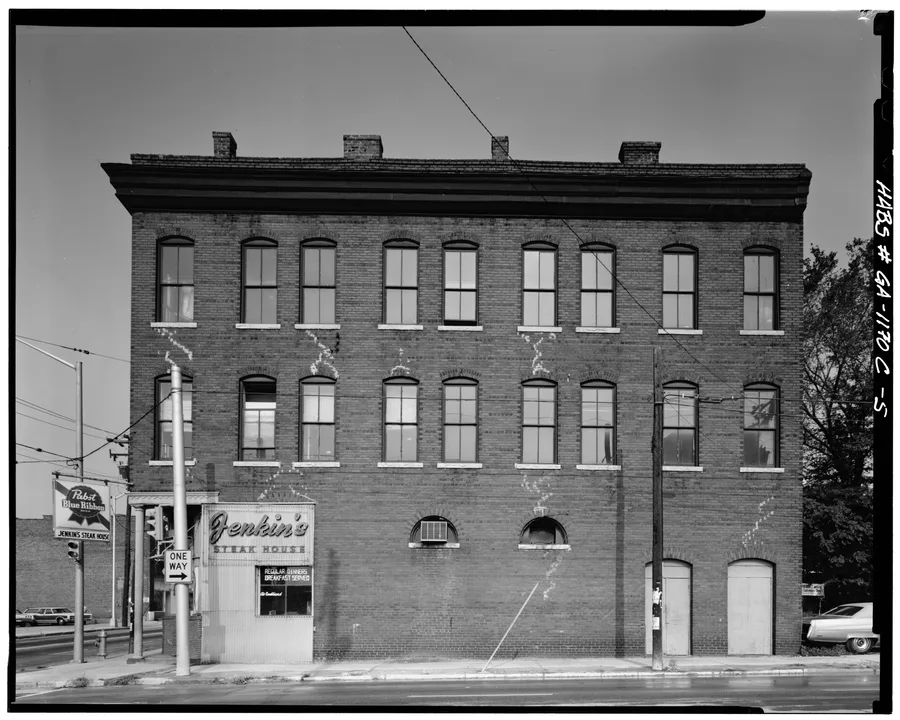
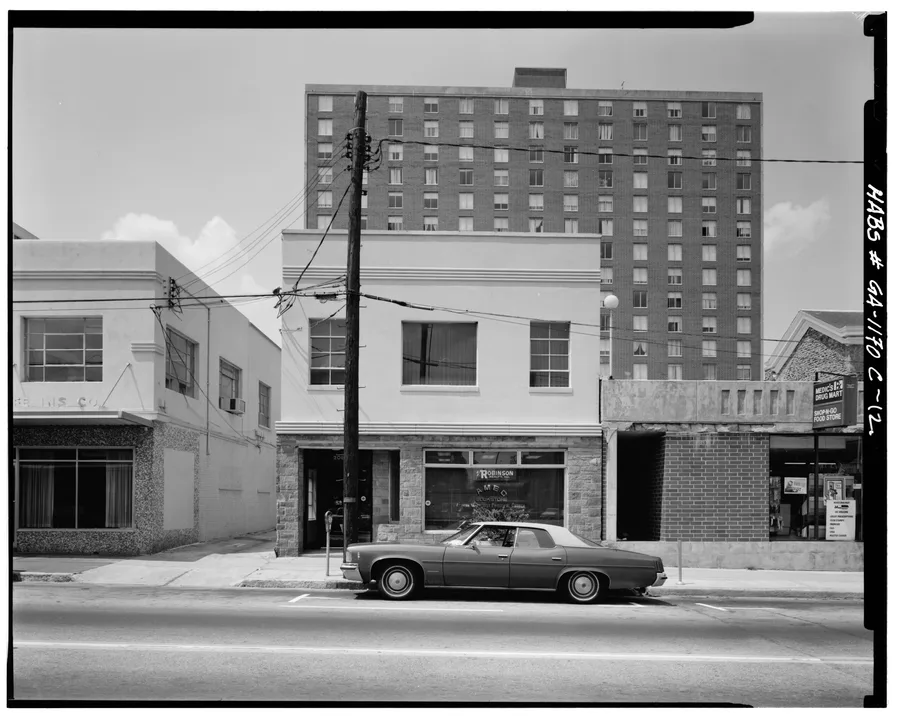
The Sweet Auburn Historic District, centered on Auburn Avenue east of downtown Atlanta, was described by the civic leader John Wesley Dobbs, who coined its enduring nickname, as “the richest Negro street in the world” — one of the largest concentrations of Black-owned businesses anywhere in the United States during the era of legal segregation. Designated a National Historic Landmark District in 1976, the roughly 19-acre district was formally recognized specifically for its history and development as a self-sufficient Black commercial center built under, and in direct response to, Georgia’s Jim Crow segregation laws.
Born From an Act of Racial Violence
Auburn Avenue’s rise as Atlanta’s premier Black business district traces directly to the 1906 Atlanta Race Riot: before that violence, Black-owned businesses had operated more freely within Atlanta’s broader, ownership-integrated downtown business district, but escalating racial tensions — inflamed by sensationalized print media coverage — erupted into mob violence against the city’s Black residents. In the riot’s aftermath, Black entrepreneurs and professionals concentrated their businesses along Auburn Avenue, deliberately building an independent commercial corridor of their own rather than continuing to operate within a downtown that had just proven violently hostile.
“The Richest Negro Street in the World”
That response to racial violence produced Alonzo Herndon’s Atlanta Mutual, the city’s first Black-owned life insurance company, alongside a celebrated concentration of Black-owned businesses, newspapers, churches, and nightclubs; by 1956, Fortune magazine itself repeated Dobbs’s description, calling Sweet Auburn “the richest Negro street in the world.” Sweet Auburn and Atlanta’s historically Black colleges together formed the economic and social core of a prosperous Black middle and upper class that arose despite enormous legal and social obstacles — direct, documented evidence that Jim Crow-era Black Atlanta built genuine wealth and institutional power in the very years segregation was working hardest to prevent it.
Decline and Restoration
Like many American inner-city neighborhoods, Sweet Auburn later suffered from disinvestment, crime, and abandonment, worsened when construction of the Downtown Connector freeway physically split the district in two; the National Trust for Historic Preservation named it one of America’s 11 Most Endangered Historic Places in 1992. The Historic District Development Corporation formed specifically to reverse that decline, beginning with the restoration of houses surrounding King’s own birth home and working outward block by block. Sweet Auburn’s significance extends directly into this site’s own coverage of the Civil Rights Movement — the district sits immediately adjacent to Ebenezer Baptist Church and the Martin Luther King Jr. National Historical Park, both profiled elsewhere on this site, meaning Sweet Auburn’s economic infrastructure and the movement’s organizing infrastructure grew up on the same streets.
Related
More in Civil Rights, Business