Civil Rights Movement
Stax Museum of American Soul Music
soul music museum in Tennessee, United States
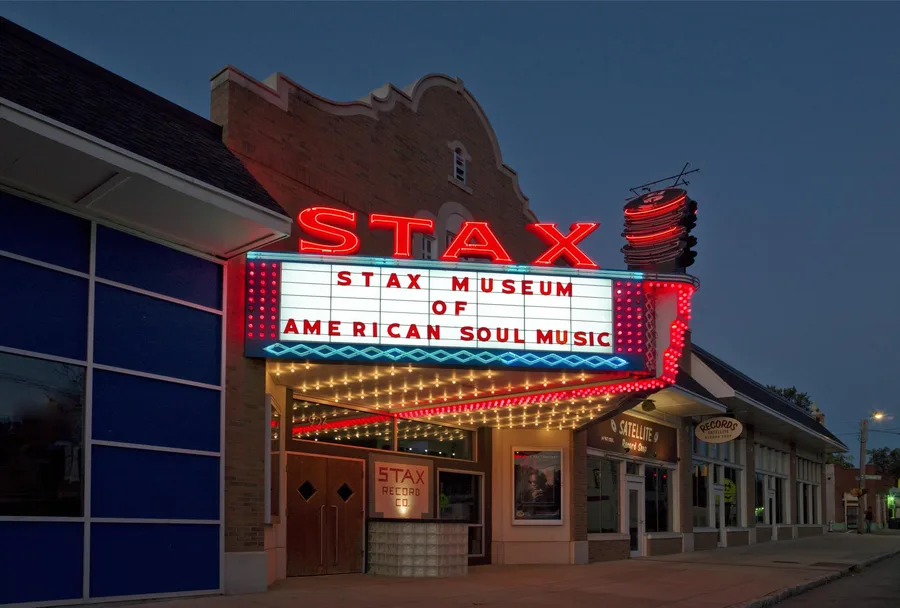
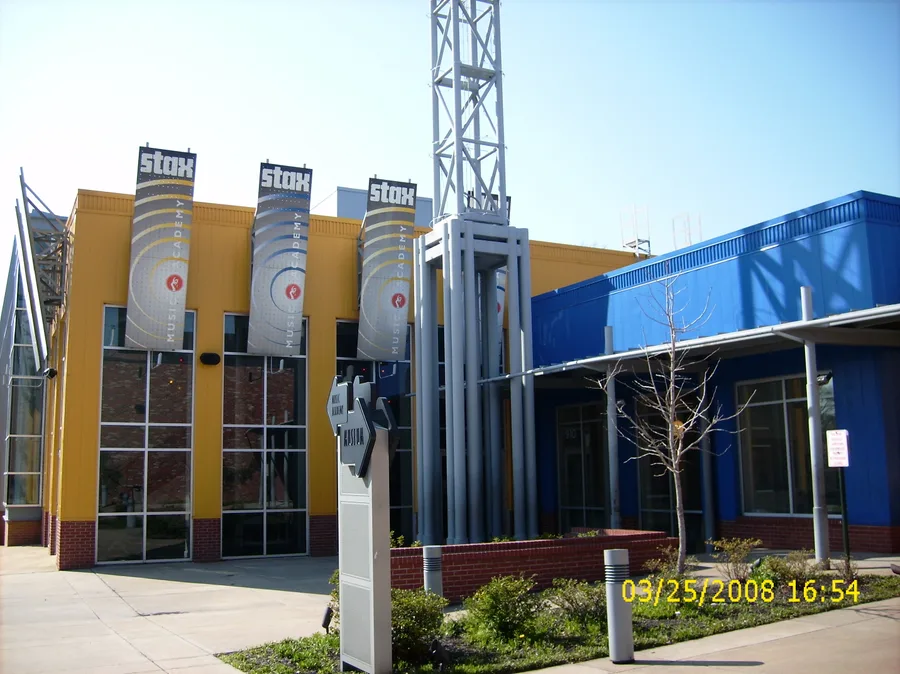
Overview
The Stax Museum of American Soul Music occupies the original Memphis, Tennessee, location of Stax Records, the legendary label whose distinctive Southern soul sound launched or supported the careers of Otis Redding, Isaac Hayes, Sam & Dave, Booker T. & the M.G.’s, the Staple Singers, Wilson Pickett, Albert King, and dozens more — alongside spoken word and comedy recordings by figures including Rev. Jesse Jackson and Richard Pryor. Stax’s distinctly integrated, collaborative studio culture, in which Black and white musicians worked together in the segregated South of the 1960s, produced a musical sound as significant to American culture as Motown’s, built on a different creative model just a few hundred miles south.
From Bankruptcy to Rebirth
Stax’s story includes real institutional loss: forced into involuntary bankruptcy, the label closed in 1976, and its original studio building was sold to a nearby church for a symbolic $10 with plans to use it as a community center that never fully materialized; the deteriorating building was ultimately demolished in 1989. By the late 1990s the surrounding neighborhood had fallen into serious blight, but a coalition of Memphis business leaders, anonymous philanthropists, and former Stax artists organized a deliberate revitalization campaign that rebuilt the studio as a museum on its original site.
A Recreated Studio and a Church From Mississippi
The 17,000-square-foot museum is built as an exact replica of the original Stax studio, down to the sloping floor of Studio A, and its collection of more than 3,000 items includes Isaac Hayes’s gold-trimmed, peacock-blue 1972 Cadillac Eldorado, the guitar and wah-wah pedal used to record the theme from Shaft, and an authentic circa-1906 Mississippi Delta church, relocated and reconstructed inside the museum specifically to illustrate soul music’s roots in Black gospel worship.
Legacy
The Stax Museum opened May 2, 2003, and today operates as part of a three-institution campus in the neighborhood now called Soulsville U.S.A., alongside the Stax Music Academy and the Soulsville Charter School — meaning the label’s legacy today funds active youth music education on the very ground where the original label once stood. Rather than simply memorializing a lost institution, the Soulsville Foundation rebuilt Stax’s physical home specifically to keep training new generations of Memphis musicians, turning a site of financial collapse into a functioning center of ongoing music education.
Related
- Bayard Rustin
- Fannie Lou Hamer
- Martin Luther King Jr.
- Rosa Parks
- Thurgood Marshall
- Brown v. Board of Education National Historical Park
More in Music