Reconstruction
Howard University
university in Washington D.C.
Overview
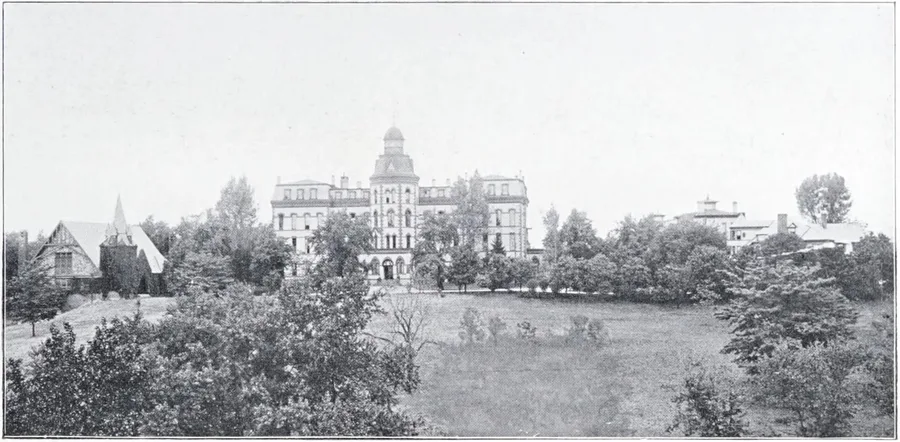
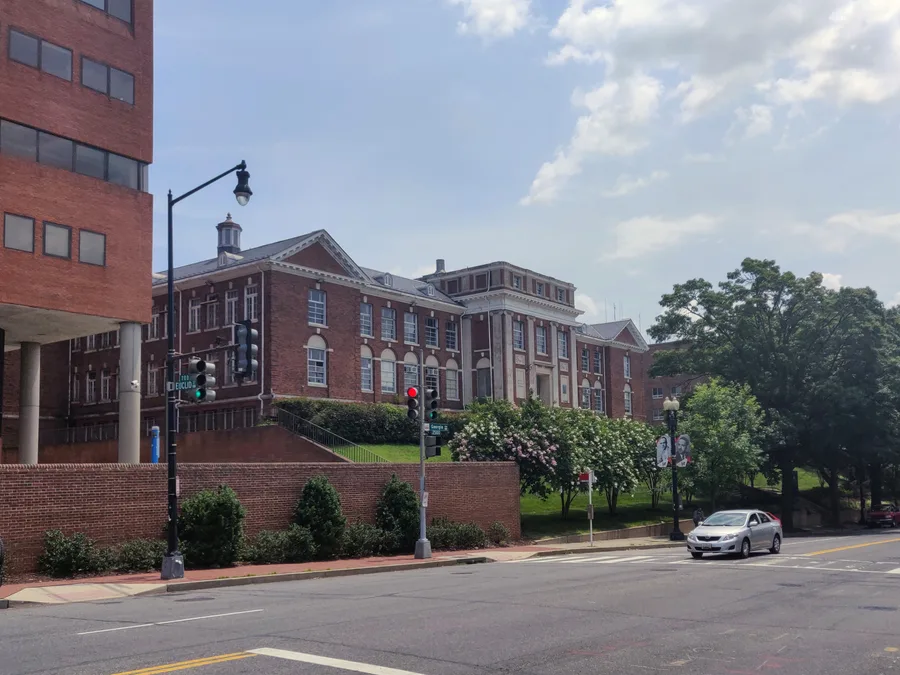
Howard University is a private, federally chartered, historically Black research university in Washington, D.C., established in 1867 — just two years after the Civil War’s end — when members of the First Congregational Society of Washington set out to found a theological seminary to train Black clergy, a project that expanded within weeks into plans for a full university. Congress formally chartered Howard on March 2, 1867, naming it for General Oliver Otis Howard, a Civil War general who both founded the university and served, at the time, as commissioner of the Freedmen’s Bureau, later serving as Howard’s president from 1869 to 1874.
A Century and a Half of Black Excellence
Howard rapidly grew into a comprehensive university, establishing colleges of liberal arts and medicine within its first two years, and from 1926 to 1960 was led by Mordecai Wyatt Johnson, its first African American president, who guided the university through the hardships of the Great Depression — years so difficult that even direct appeals from Eleanor Roosevelt could not prevent budget cuts below Hoover-era levels. Today Howard is classified as an “R1: Doctoral Universities – Very high research activity” institution, the only historically Black college or university to hold that designation, offering degrees across more than 120 programs.
A Faculty and Student Body That Shaped the Movement
Howard’s faculty roster through the mid-20th century reads like a roll call of Black intellectual leadership: Alain Locke, the first African American Rhodes Scholar, chaired the philosophy department and authored The New Negro, the 1925 anthology that helped launch the Harlem Renaissance; Ralph Bunche, the first person of African descent to win the Nobel Peace Prize, chaired political science; and historian Rayford Logan, sociologist E. Franklin Frazier, and poet Sterling Allen Brown each chaired their own departments. Howard students pioneered direct-action tactics that later defined the Civil Rights Movement: beginning in 1942, students developed “stool-sitting” to block service at a Washington cafeteria that refused to serve Black customers, and by January 1943 were organizing regular sit-ins and pickets at segregated D.C. businesses — a full decade before the sit-in movement most Americans associate with the 1960s. Stokely Carmichael, later known as Kwame Ture, coined the phrase “Black Power” as a Howard philosophy and divinity student.
Legacy
Howard’s alumni and faculty roster includes an extraordinary concentration of figures who shaped American law, culture, and public life — a legacy this site documents through related entries elsewhere on the site for Howard-connected figures profiled individually. As a federally chartered institution still receiving annual congressional appropriations administered through the U.S. Department of Education, Howard occupies a unique position among HBCUs: an institution literally built into the structure of the federal government’s own postwar commitment to Black education, sustained for more than 150 years since.
Related
- Blanche K. Bruce
- Frederick Douglass
- Hiram Rhodes Revels
- Alabama A&M University
- Alabama State University
- Alcorn State University
More in Education