Abolition era
African Meeting House
church building in Boston, United States of America
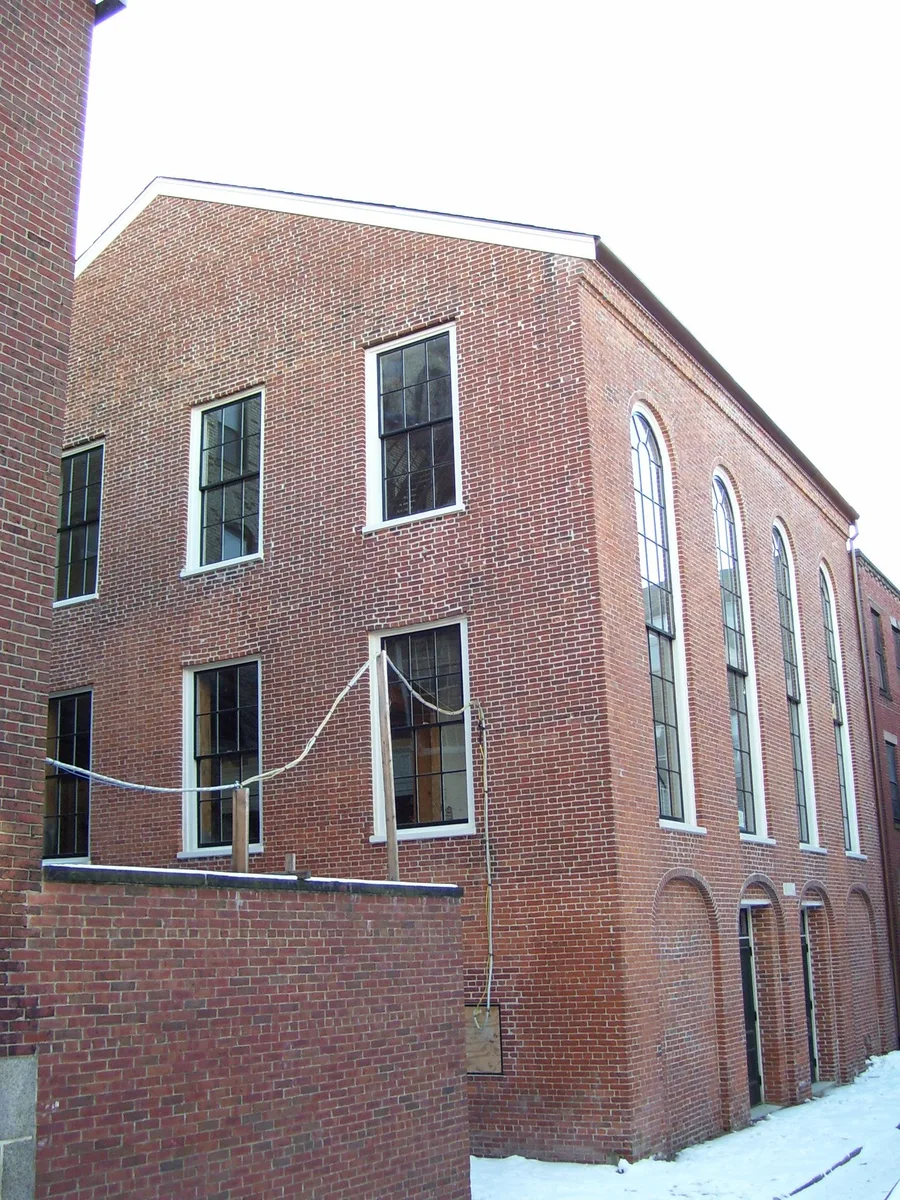
Overview
The African Meeting House, in Boston’s Beacon Hill neighborhood, was built in 1806 by a Black Baptist congregation led by Reverend Thomas Paul and is the oldest surviving Black church building in the United States. Its founding responded directly to discrimination Black Bostonians faced even in integrated churches: before the meeting house existed, Black worshippers attending white congregations were confined to balcony seating and denied voting rights within the church, prompting Paul to organize independent worship meetings that led, on August 8, 1805, to the formal founding of the First African Baptist Church with twenty members.
Built and Dedicated by a Free Black Congregation
The congregation purchased land and completed construction within a single year, dedicating the building on December 6, 1806 — in a telling reversal of the segregated seating Black worshippers had faced elsewhere, the new meeting house reserved its first-floor pews for white allies “benevolently disposed to the Africans,” while Black congregants held the building’s own balcony as their own. The building also housed a school from its earliest years, initially meeting in the church basement, reflecting the congregation’s commitment to Black education alongside worship.
“Black Faneuil Hall”
The building became known as “Black Faneuil Hall” during the abolitionist movement, in deliberate reference to Boston’s famous civic meeting hall: William Lloyd Garrison founded the New England Anti-Slavery Society here on January 6, 1832, and during the Civil War, Frederick Douglass and others recruited Black soldiers inside its walls for the pioneering 54th and 55th Massachusetts Regiments. The building’s basement school, which community organizer Primus Hall had struggled for years to fund independently, was formally replaced in 1835 by the Abiel Smith School next door — built in 1834 with a $2,000 donation from Abiel Smith as the first building in the country constructed specifically as a public school for Black Americans.
Legacy
After serving as a Black church through most of the 19th century, the building later served as a synagogue until 1972, when it was purchased to become part of the Museum of African American History, joining the Abiel Smith School on the same preserved site. Designated a National Historic Landmark, the African Meeting House stands today as the physical starting point of organized independent Black religious, educational, and abolitionist life in Boston, preserved more than two centuries after its Black founding congregation first built it with their own hands and resources.
Related
More in Religion, Civil Rights