Reconstruction to Civil Rights Movement
W. E. B. Du Bois
American sociologist and activist (1868–1963)
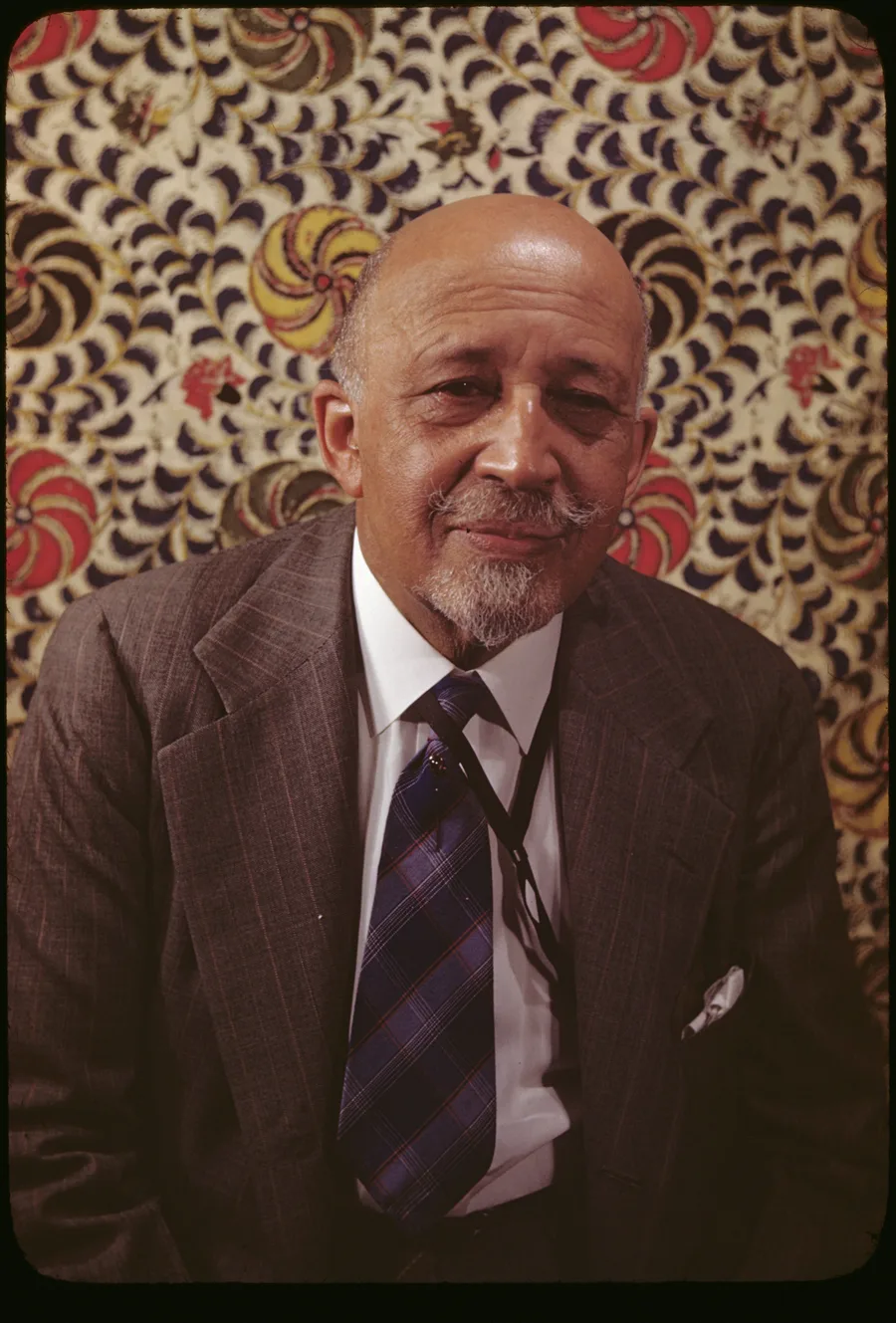
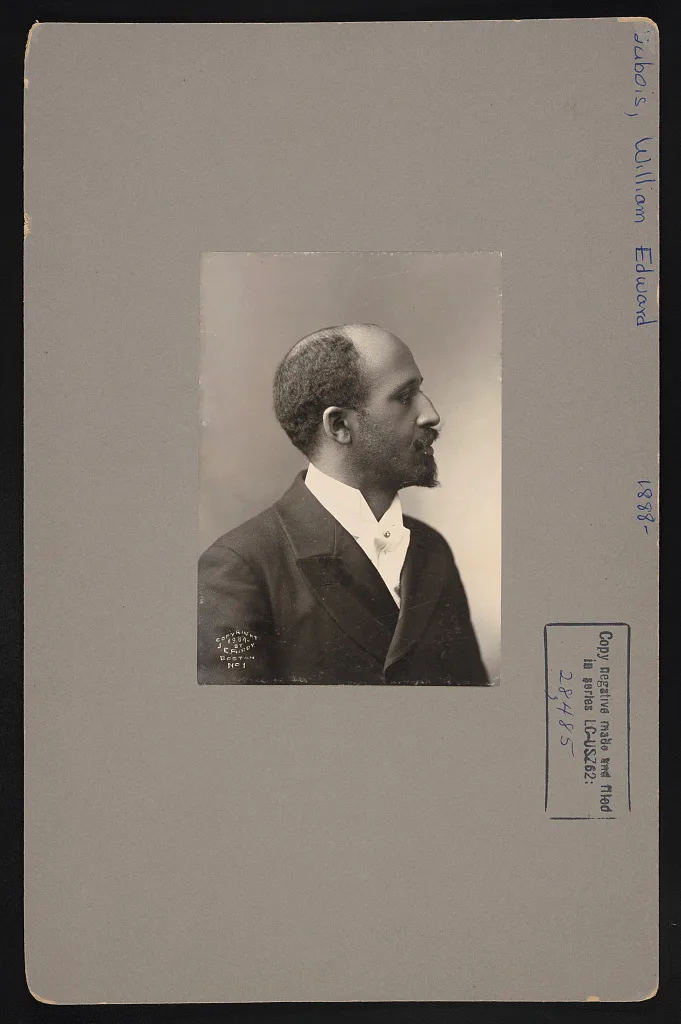
Overview
W.E.B. Du Bois, born in Great Barrington, Massachusetts, in 1868 and raised in a relatively integrated New England community, became the first African American to earn a doctorate from Harvard University and went on to become one of the most influential sociologists, historians, and civil rights activists in American history. As a professor at Atlanta University, Du Bois produced a substantial body of scholarship and activism spanning six decades, rising to national prominence as a leader of the Niagara Movement, which organized Black civil rights activists explicitly opposed to the accommodationist “Atlanta Compromise” associated with Booker T. Washington.
The Talented Tenth and the NAACP
Du Bois argued that full civil rights and expanded Black political representation would be achieved through the leadership of what he called the “talented tenth” — an educated Black intellectual and professional class he believed needed access to advanced education to lead the wider community’s advancement — a theory of racial uplift that shaped decades of Black civil rights strategy. In 1909 Du Bois became one of the founders of the NAACP, using his position within the organization to respond directly and publicly to racist incidents and to help build the institutional infrastructure of 20th-century Black civil rights activism.
A Great-Great-Grandfather Enslaved in West Africa
Du Bois’s own family history reached back to slavery directly: his maternal great-great-grandfather, Tom Burghardt, was born in West Africa around 1730, enslaved by a Dutch colonist in Massachusetts, and gained his freedom, by some accounts, through brief service in the Continental Army during the American Revolution. As a prolific author, Du Bois wrote most forcefully against lynching, Jim Crow laws, and discrimination in American institutions; his 1903 essay collection The Souls of Black Folk remains a foundational work of African American literature, and his 1935 Black Reconstruction in America directly challenged the dominant, racist historical narrative that blamed Black Americans for Reconstruction’s failures. Borrowing a phrase from Frederick Douglass, Du Bois popularized “the color line” to describe the injustice built into “separate but equal,” and as editor of the NAACP’s journal The Crisis, he published decades of influential political and literary writing.
Pan-Africanism and Legacy
Du Bois was a leading proponent of Pan-Africanism, profiled elsewhere on this site, helping organize multiple Pan-African Congresses that fought for African colonies’ independence from European powers, and after World War I his political thought increasingly embraced socialism, drawing sustained FBI surveillance during his later peace activism after World War II. Du Bois spent his final years in Ghana — itself named, at its 1957 independence, in deliberate homage to the pre-colonial Ghana Empire profiled on this site — and died in Accra in 1963, a symbolically resonant final chapter for a man whose life’s work had connected African American civil rights directly to the broader cause of African liberation.
Related
More in Literature, Civil Rights, Politics, Education