2013
The Black Lives Matter Movement / Contemporary Civil Rights
social movement originating in the USA
Overview
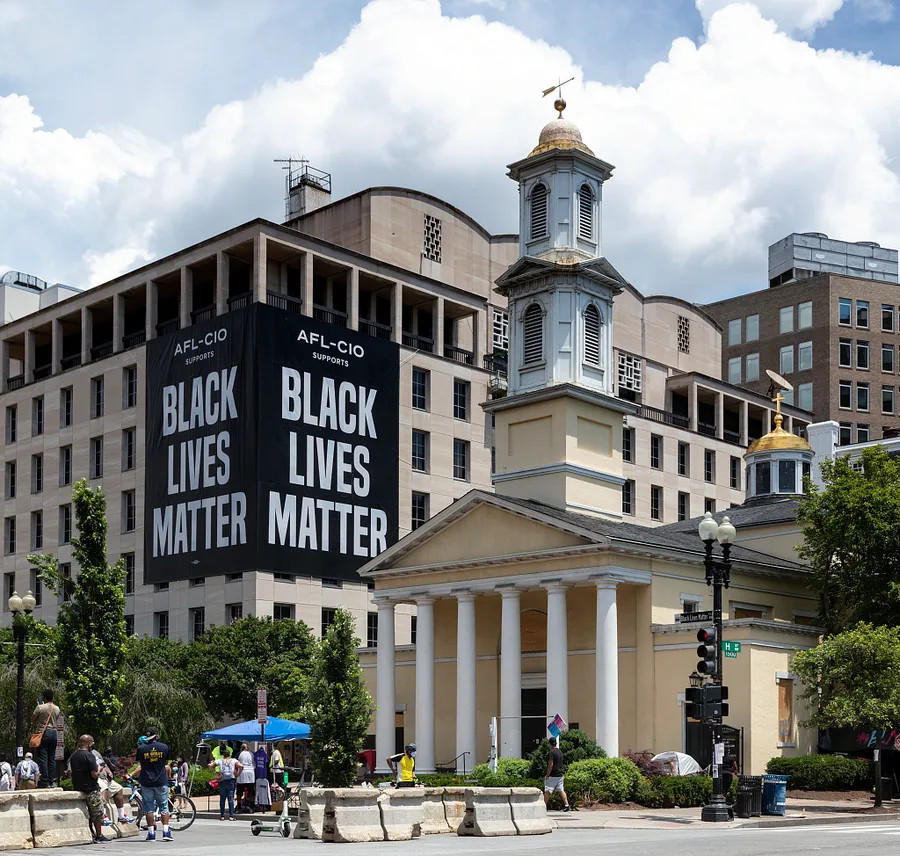
Black Lives Matter (BLM) is a decentralized political and social movement, founded in 2013, focused on highlighting and organizing against police brutality, racially motivated violence, and systemic racial inequality affecting Black Americans. The movement began when organizers Alicia Garza, Patrisse Cullors, and Ayọ Tometi created the hashtag #BlackLivesMatter following George Zimmerman’s 2013 acquittal in the shooting death of unarmed Black teenager Trayvon Martin — a moment of organized digital and grassroots response to a case that had drawn national attention to the value placed on Black lives in the American justice system.
From Ferguson to a Global Movement
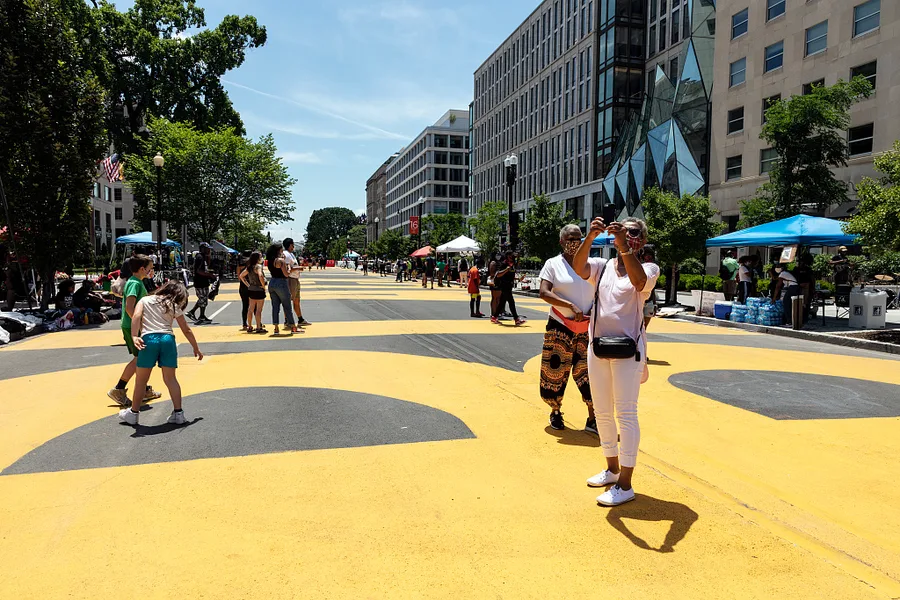
BLM became a nationally recognized force for sustained street organizing following the 2014 deaths of Michael Brown in Ferguson, Missouri, and Eric Garner in New York City, both of which sparked large, sustained protests demanding police accountability. The movement reached global scale in 2020, when the murder of George Floyd by a Minneapolis police officer triggered what researchers estimate was the largest protest movement in United States history, with an estimated 15 to 26 million participants nationwide — the vast majority of these demonstrations were peaceful, a fact this site states plainly alongside the documented instances of unrest that also occurred in some cities.
A Deliberately Different Structure
BLM operates as a decentralized network rather than a single hierarchical organization — as of 2021 it comprised roughly 40 chapters across the United States and Canada, and the “Black Lives Matter” slogan itself has deliberately never been trademarked by any single group, reflecting the movement’s grassroots, non-proprietary character. Activist DeRay Mckesson has described the movement as encompassing “all who publicly declare that black lives matter and devote their time and energy accordingly,” a structure scholars have noted differs deliberately from the more centralized, top-down leadership model of the 1950s and 1960s Civil Rights Movement; local chapters commit to a shared set of guiding principles while retaining significant operating autonomy.
Fluctuating Public Support
Public support for BLM has shifted substantially over time: 67% of American adults expressed support for the movement in 2020, a figure that declined to 45% by 2024, even as support among communities of color has remained comparatively strong, with 81% of African Americans, 63% of Asian Americans, and 61% of Hispanic Americans expressing support as of 2023. As an ongoing, still-developing contemporary movement, this site’s editorial standards call for particular care around currency and accuracy regarding living individuals and unfolding events connected to BLM, and this page will require periodic re-checking against current, reliable sources as the movement continues to evolve.
Related entries
More in Civil Rights, Politics