The Black Power Movement
political and social movement and ideology
Overview
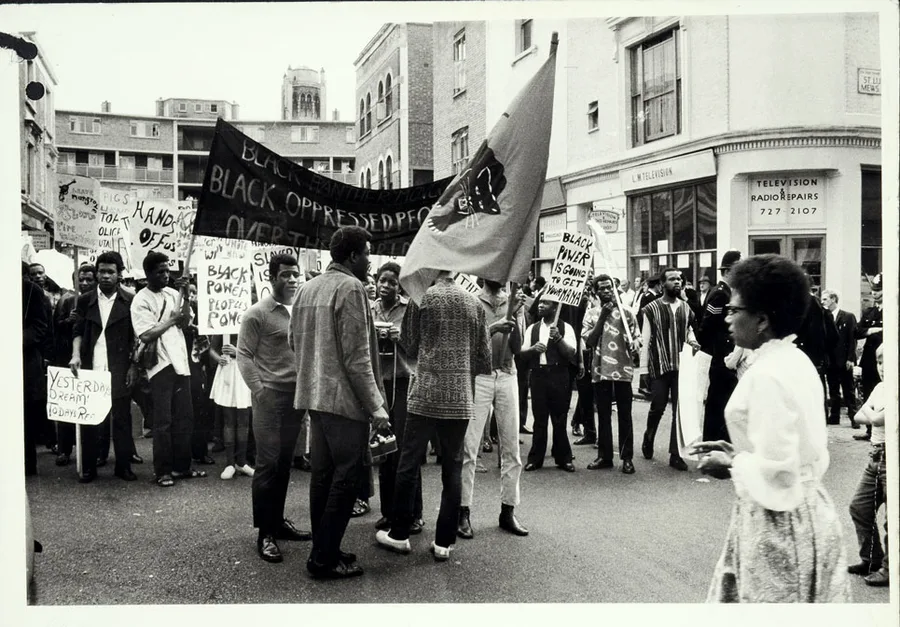
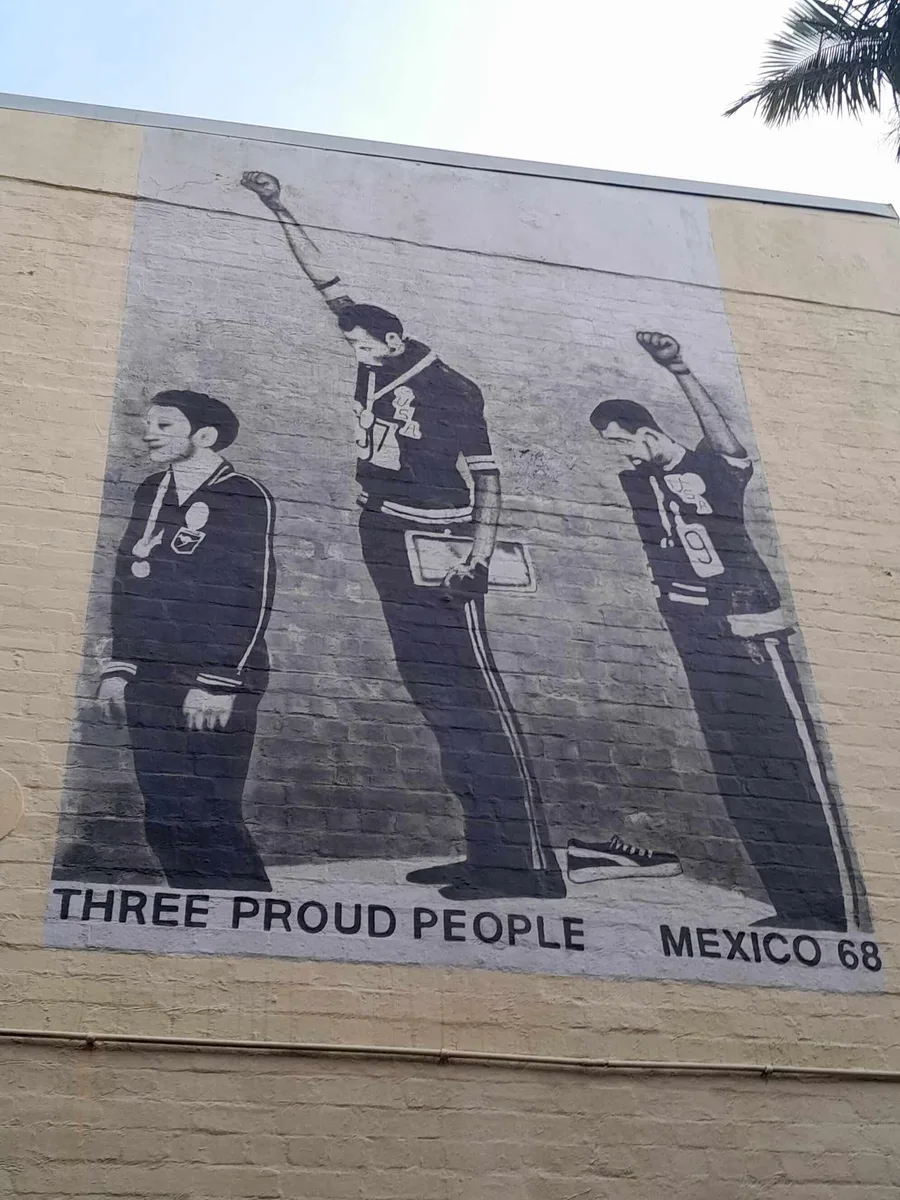
Black Power was a political slogan and a family of related ideologies, prominent from the late 1960s through the early 1970s, that emphasized Black self-determination, racial pride, and the building of independent Black political, economic, and cultural institutions rather than solely petitioning existing white-controlled institutions for inclusion. The term’s earliest known use in this sense traces to Richard Wright’s 1954 book Black Power, but it became a defining political force in the mid-to-late 1960s as activists sought a more assertive, self-reliant alternative to the civil rights movement’s primarily integrationist strategy.
Building Independent Institutions
In the wake of Malcolm X’s February 1965 assassination, organizers including Grace Lee Boggs and James Boggs founded the national Organization for Black Power that May, drawing together members of the Revolutionary Action Movement and the Student Nonviolent Coordinating Committee from cities including Washington, D.C., Philadelphia, Chicago, Cleveland, and New York into a coordinated push for concrete, city-based programs of Black self-determination. Beyond political organizing, Black Power’s practical legacy included Black-owned bookstores, cooperatives, farms, and independent media — a deliberate program of building self-sufficient Black economic and cultural institutions rather than relying on inclusion within existing white-run ones.
“Black Power!” in Greenwood, Mississippi
The phrase’s first widely popularized use as a political rallying cry came on June 16, 1966, when SNCC organizers Stokely Carmichael and Willie Ricks addressed a crowd in Greenwood, Mississippi, during the March Against Fear following the shooting of James Meredith; Carmichael, freshly released after his 27th arrest, told the crowd, “The only way we gonna stop them white men from whuppin’ us is to take over. What we gonna start sayin’ now is Black Power!” Carmichael framed the slogan as a deliberate departure from Martin Luther King Jr.’s “Freedom Now!”, arguing the movement needed to build independent Black political power rather than pursue desegregation alone — “black people coming together to form a political force and either electing representatives or forcing their representatives to speak their needs,” as he put it.
Legacy
Black Power drew criticism, including from within the civil rights movement, for its association with Black separatism and for what some described as friction with the movement’s mainstream integrationist wing — a tension this site records honestly as part of the era’s real internal debate over strategy, not as a simple story of unified consensus. Despite that friction, Black Power’s emphasis on cultural pride, self-determination, and independent institution-building directly shaped the Black Arts Movement covered on its own page on this site, and its language and ideas remain a living reference point in Black political and cultural organizing today.
Related entries
More in Civil Rights, Politics